Five years ago, 90% of what I saw leaving the docks was heavy bentonite clay. But recently? The landscape has shifted dramatically.
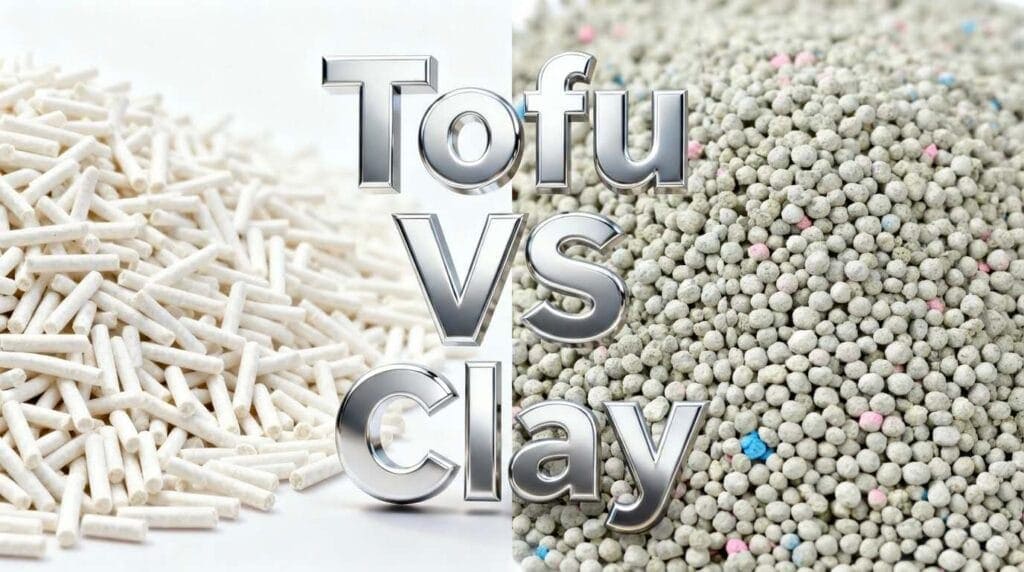
We’ve been advising B2B clients since 2017, and frankly, the questions have changed. It used to be just about “cheapest price per ton.” Now, brand owners are asking me about sustainability, dust levels, and repeat purchase rates. If you are stuck choosing between tofu cat litter vs clay for your 2025 product line, you aren’t just picking a material; you are picking a business model.
Here’s the thing: Clay is the old guard. It’s reliable, cheap, and everywhere. But tofu litter? That’s where the margins and the modern pet parents are moving. In this guide, I’m going to break down the tofu cat litter vs clay debate using real data from our factory floor, so you can decide which one wins for your brand.
The Market Landscape: Tofu vs Clay Cat Litter 2025
The pet industry moves fast. To understand the tofu vs clay cat litter 2025 dynamic, we have to look at what the end-consumers are actually buying.
The Reign of Clay (Bentonite)
Let’s be honest, bentonite clay is still the giant in the room. It dominates the grocery store shelves because it’s cheap to mine and cheap to buy. According to recent Global Pet Care Market Trends, clay still holds the majority volume share. If your strategy is purely high-volume, low-margin retail, tofu vs clay cat litter 2025 trends might still lean toward clay for the budget conscious demographic. However, it is a “Red Ocean”—the competition is fierce, and differentiation is almost impossible.
The Rise of Plant-Based Power
This is where I get excited. At QingkePet, our 50,000-ton annual capacity for tofu litter is running almost non-stop. Why? Because the “Pet Humanization” trend is real. Millennial and Gen Z pet owners don’t want to drag 20lb bags of dusty clay up three flights of stairs. They want lightweight, eco-friendly solutions.
We are seeing a massive surge in orders for our Tofu Cat Litter. Brands are realizing that while the cost per ton is higher, the shipping efficiency (lighter weight) and the premium retail price point offer better overall profitability.

What Brands Are Buying Now
I’ve seen a shift in how wholesalers order. It’s no longer “all or nothing.” Smart brands are adopting a “Portfolio Strategy.”
- The Anchor: They keep a standard clay line for budget shoppers.
- The Growth Engine: They launch a private label Tofu line (Standard or Mixed).
- The Supply Chain: Speed matters. At QingkePet, we’ve optimized our lines to offer a 7-10 day turnaround for standard packaging, meaning you can test the tofu vs clay cat litter 2025 market shifts without holding massive inventory.
Tofu Cat Litter vs Clay Pros and Cons (The Deep Dive)
Let’s get technical. As a manufacturer, I see the raw materials every day. Here is the breakdown of tofu cat litter vs clay pros and cons that you need to explain to your customers.
Clumping Power & The “Goo” Factor
This is the number one question I get: “Does it actually clump?”
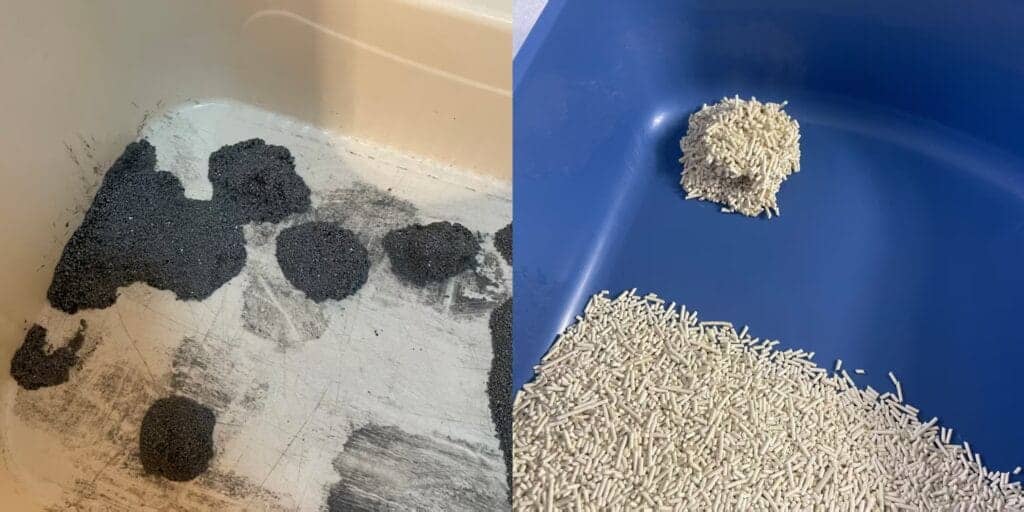
- Clay: Creates a rock-hard clump. It’s effective, but if it sticks to the bottom of the tray, it requires a chisel to remove.
- Tofu: We use a precise mix of pea fiber and starch. When we talk about clumping tofu vs clay, tofu creates a “gummy” but firm clump that dissolves in water.
- The Qingke Difference: We use 2.0mm and 1.5mm diameter technology. This maximizes surface area for absorption, ensuring the clump is tight and doesn’t break apart when scooped, solving the “gooey mess” complaint often associated with lower-quality plant litters.
Dust Clouds & Respiratory Health
If you have ever poured a bag of cheap clay litter into a box in a sunbeam, you’ve seen the cloud.
- Clay: Often contains silica dust, which PetMD notes can be a trigger for feline asthma.
- Tofu: It is naturally low dust. When we compare tofu litter dust levels to clay, tofu wins hands down. At our factory, we use a multi-step dedusting process before packaging. For brands targeting health-conscious owners, this is your strongest selling point.

The Tracking Nightmare
- Clay: The granules are tiny and sand-like. They get stuck in paws and you find them in your bed. Gross, right?
- Tofu: The cylindrical shape is designed to prevent cat litter tracking comparison issues. It doesn’t stick to paws easily, and if a pellet does escape, it’s easy to see and pick up.

Quick Comparison for B2B Buyers:
| Feature | Bentonite Clay | Tofu Litter (QingkePet Standard) |
|---|---|---|
| Raw Material | Mined Mineral | Pea Fiber / Starch |
| Dust Level | High to Medium | Extremely Low |
| Biodegradability | No (Landfill only) | Yes (Flushable/Compostable) |
| Tracking | High (Sand-like) | Low (Pellets) |
| Scooping | Hard Rocks | Firm & Flushable |
Odor Control: Best Tofu Cat Litter for Odor Control vs Clay
Odor control is the “make or break” factor for repeat purchases. You might sell the first bag on packaging design, but you sell the second bag on odor control. When analyzing the best tofu cat litter for odor control vs clay, the mechanism is totally different.
Masking vs. Neutralizing
Clay litter usually relies on artificial fragrances and porous structures to trap smell. Often, it just ends up smelling like “lavender mixed with ammonia.”
Tofu litter, specifically the pea fiber base, naturally absorbs moisture instantly. But here is the secret: We can engineer the absorption speed. The faster the urine is locked in, the less smell escapes.
Natural Scents as a Selling Point
We don’t just dump perfume on our pellets. We infuse them.
- Fig: A unique, subtle scent that is gaining traction in the Asian and European markets.
- Green Tea: Contains natural polyphenols that actively neutralize bacteria.
Check out our Fig Tofu Cat Litter for an example of how natural scents can differentiate a brand from the chemical smells of clay.
The Game Changer: Health Monitoring Cat Litter
Here is where you can dominate the high-end market. It is very hard to make “smart” clay litter because the grey color hides everything.
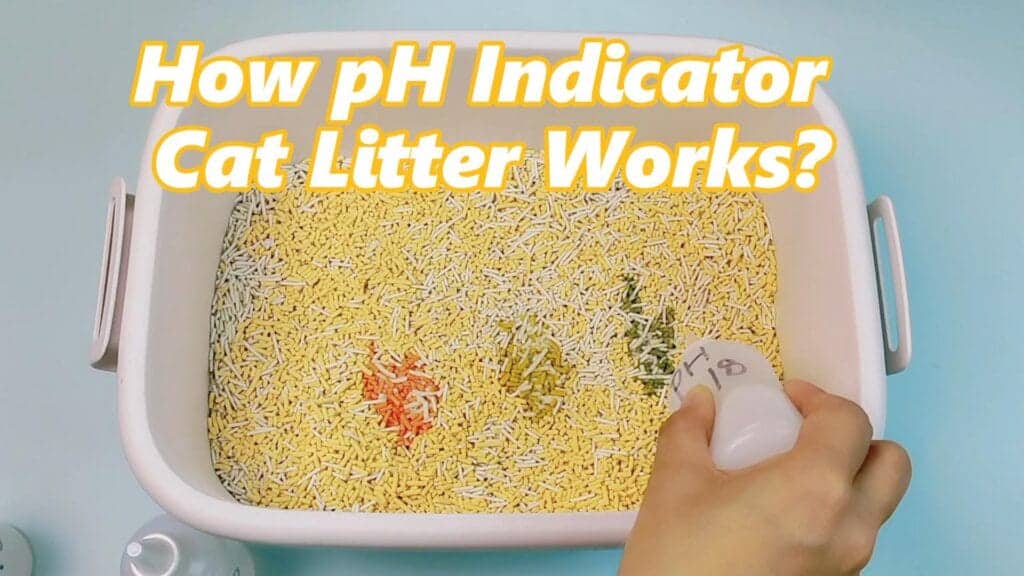
Because our tofu litter is naturally white or off-white, it is the perfect canvas for Health Monitoring. We have developed a Cat Urine Test Litter (Occult Blood, PH, and Protein markers).
- How it works: The litter changes color immediately upon contact with urine if health issues are detected.
- The B2B Edge: You aren’t just selling litter; you are selling peace of mind. This product commands a much higher price point than standard clay ever could. Health Monitoring Cat Litter is the future of the category.
The Eco-Factor: Biodegradable Cat Litter Comparison
Sustainability isn’t just a buzzword anymore; for many of your customers, it is the deciding factor. When running a biodegradable cat litter comparison, the difference between the two materials is stark.
Flushability: The Ultimate Convenience
This is the feature that converts clay users to tofu users instantly.
- Clay: It creates non-degradable waste. You bag it, bin it, and it sits in a landfill for centuries. Wikipedia notes the significant environmental impact of bentonite mining, which involves stripping topsoil.
- Tofu: It dissolves. For urban pet owners living in apartments, being able to scoop and flush is a massive lifestyle upgrade.
Sourcing Sustainability
Bentonite is mined; Tofu is grown. Tofu litter is made from the by-products of food production (pea fiber or corn starch). For brands focusing on ESG (Environmental, Social, and Governance) goals, switching to a plant-based line is an easy win. You are turning agricultural waste into a premium product.

The B2B Cost Reality: Price vs. Profit
I know what you are thinking. “Sherry, tofu costs more per ton than clay.” You are right. But if you look at the plant-based cat litter cost vs clay equation only by weight, you are missing the profit story.
Unit Price vs. Usage Rate
Tofu litter is highly absorbent. One bag of our tofu litter often lasts as long as two bags of cheap clay. Consumers are willing to pay a higher upfront price (often 2x-3x) because the bag lasts a month, not two weeks. This means higher margins for you per transaction.
The Logistics Advantage (Shipping Weight)
Here is the B2B secret: Freight eats profit.
Clay is heavy also low profit. Tofu is light with higher profit.
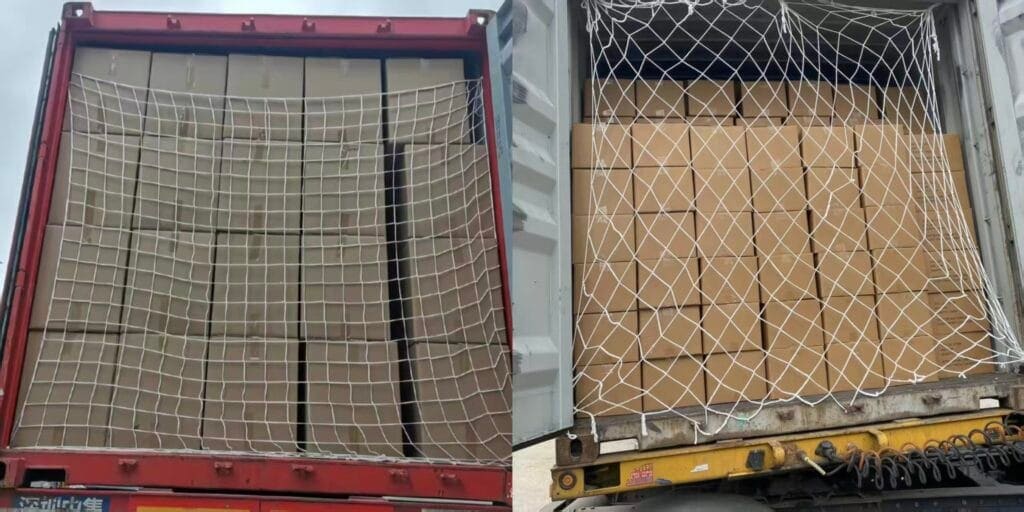
When we load containers at Qingdao Port, you can fit significantly more sellable units of tofu litter into a container compared to clay before hitting weight limits.
- The Math: You pay less ocean freight per retail package. This logistical efficiency often offsets the higher raw material cost.
Private Label Opportunity (Real World Case)
Let me share a quick story. We had a client from Europe—let’s call them “Brand X.” They were struggling with the low margins of their clay line. They wanted to pivot but were worried about supply stability.
We utilized our ISO9001 Certified Factory capabilities to launch their private label tofu line.
- The Solution: We used our Private Label Services to create a custom 6L vacuum package.
- The Speed: Because we have a standard bag production line, we got their first order (one 40 feet container) shipped in just 15 days.
- The Result: Brand X positioned this as their “Premium Eco-Line.” Their profit margin on this line is now 40% higher than their legacy clay products.
Beyond Tofu and Clay: The New Contenders
While the battle of tofu cat litter vs clay dominates the headlines, smart brands are looking at the fringes for the next big thing. At QingkePet, we aren’t just a tofu factory; we are an innovation hub.
Bamboo Cat Litter
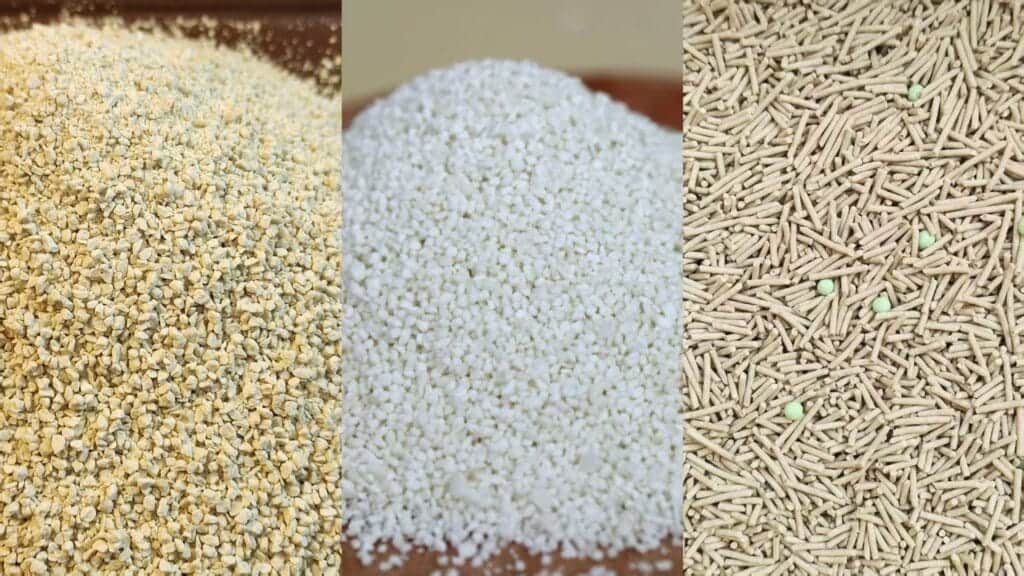
We have dedicated 10,000 tons of capacity to bamboo. Why? Bamboo contains natural “Bamboo Kun,” a bio-agent that stops bacteria growth. For customers obsessed with hygiene, Bamboo Cat Litter is a powerful differentiator that sits above standard tofu.
Cassava & Corn Cob
We also process 15,000 tons of other plant fibers annually.
- Cassava: Known for rock-hard clumping and being white (great for health monitoring), though sometimes stickier.
- Corn Cob: Corn cob cat litter is huge in the US market. It’s lightweight and highly absorbent. We offer this as a standalone or mixed with tofu for a “Super Premium” blend. Corn Cob Cat Litter gives you access to the hardcore eco-market.
Conclusion: Making the Right Call for Your Brand
So, who wins the tofu cat litter vs clay battle in 2025?
If you want volume and entry-level customers, you still need clay on your shelf. But if you want brand loyalty, higher margins, and a future-proof product, Tofu (and its innovative cousins like Bamboo and Urine Detection litter) is the clear winner.
The market has spoken: Pet owners are tired of dust, they are tired of heavy bags, and they want healthier homes.
My Advice: Don’t bet on just one horse. Use our plant-based Cat Litter options to build a portfolio.
- Keep a budget clay option.
- Push Tofu as your standard premium offering.
- Introduce a Health Monitoring SKU as your flagship innovator.
Ready to upgrade your product line?
You don’t need to guess. At QingkePet, we back our quality with speed. We can ship standard packaging in 7-10 days and custom OEM orders in 15-20 days.
Contact Our Team today to request a Free Samples. Let’s get some real product in your hands so you can see the difference yourself.
FAQ – Tofu Cat Litter vs Clay 2025
- Is tofu cat litter really better than clay in 2025?
Yes—faster clumping, 3–5× longer odor control, 99.5 % dust-free, 80 % less tracking, fully biodegradable, and cheaper per use. - How much does wholesale tofu cat litter cost in 2025?
Current FOB Qingdao range $458–$656/MT depending on diameter, scent, and additive package. - Can tofu cat litter be flushed?
Yes—our formulas are certified flushable in most Western countries. - What is the minimum order quantity for private label?
3,000 kg (one 20 ft container, mixed flavors accepted). - How quickly can you deliver custom-printed bags?
15 days for ≤25 tons, 20 days for 25–100 tons with your artwork.



 English