
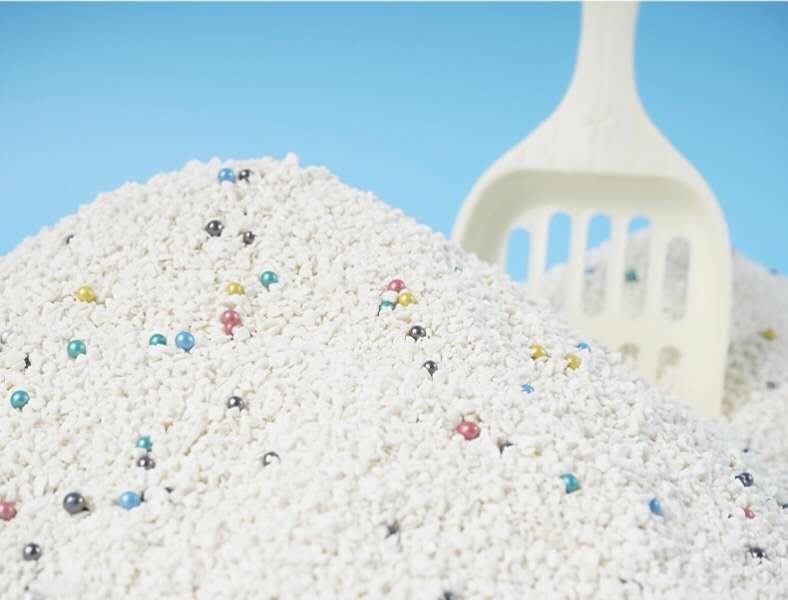
It’s that time of year again. You’re likely staring at your inventory spreadsheets, wondering what on earth to stock for the coming year. If you are planning to bulk buy cat litter for 2026, I have some news: the “safe bets” of the last decade might not be enough to keep your margins healthy this time around.
I’ve been consulting for pet retailers for years, and if there is one thing 2025 taught us, it’s that pet parents are becoming incredibly picky. They don’t just want “sand in a box” anymore. They want solutions that fit their tiny apartments, their eco-anxiety, and their obsession with their cat’s health.
In this guide, I’m going to walk you through the real market shifts—not the fluff. We’ll look at the data, the trends, and exactly how you should structure your wholesale orders to win in 2026.
The 2026 Inventory Portfolio: A Reality Check
Let’s be honest for a second. If you look at the raw volume data, clay is still everywhere. According to Grand View Research, traditional bentonite still commands a massive chunk of the global market share. I’m not telling you to dump your clay inventory. That would be bad business.
However, the growth—the place where the profit margins live—is shifting rapidly.
When you bulk buy cat litter today, you aren’t just buying a commodity; you are buying into a lifestyle. The 2026 consumer is dealing with inflation but refuses to compromise on their pet’s well-being. This creates a unique “split” in the market:
- The Value Shopper: Needs high performance at a lower cost (Hello, Mixed Litter).
- The Premium Shopper: Willing to pay double for health monitoring or zero-dust natural options (Hello, Cassava & Detection Litter).
If your warehouse is only stocked with one type, you’re leaving money on the table.
1. The “Performance” King: Cassava (The Fastest Grower)
If I had to pick a “breakout star” for 2026, it would be Cassava. For years, the natural litter market had a dirty secret: it was eco-friendly, but the clumping was usually… mediocre.
The Clumping Miracle
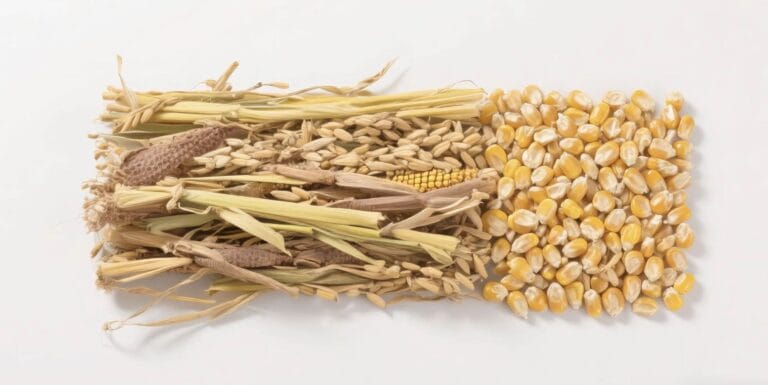
Cassava cat litter market trends are skyrocketing because cassava (tapioca) starch solves the “natural but weak” paradox. Unlike corn or wheat, which can sometimes crumble, cassava forms rock-hard clumps almost instantly upon contact with liquid.
I’ve seen this firsthand in product tests. You get the white, clean look that consumers love, zero dust, and clumps that don’t break when you scoop them. For retailers, this is the perfect upsell for customers who hate the dust of clay but demand the performance of clay.
The Premium Audience
Because the raw material cost is higher, this is a Premium Natural Litter. It attracts a specific demographic:
- High-income urbanites.
- People with allergies (since it’s grain-free and dust-free).
- Eco-conscious buyers who are tired of “mushy” clumps.
At QingkePet, we’ve ramped up our capacity for premium natural litter alternatives like Cassava and Corn (15,000 tons/year) precisely because we see the order volumes from Europe and North America climbing every quarter.
Sherry’s Tip: Cassava cat litter market trends suggest this is your “Hero Product” for 2026. It looks great on a shelf and justifies a higher price point.
2. The “Urban” Staple: Tofu Litter (Dominating Asia & Europe)
If you are selling to customers living in high-rise apartments—whether in Tokyo, London, or New York—bulk tofu cat litter is no longer optional; it’s a necessity.
The “Apartment Economy” Factor
The driving force here is simple: Flushability.
In a 500-square-foot apartment, nobody wants to walk a heavy bag of soiled clay to the dumpster downstairs every day. The ability to scoop and flush is the single biggest selling point for flushable litter demand.
We process over 50,000 tons of Tofu litter annually here at QingkePet, and the feedback from our distributors is consistent: once a customer switches to Tofu for the convenience, they almost never switch back to clay.
Evolution of Tofu: Flavor & Scent Psychology
But here is where 2026 gets interesting. Standard “Original” tofu litter is becoming a commodity. To stand out, brands are moving toward “Aromatherapy.”
- Green Tea: Classic, odor-neutralizing.
- Fig (New Trend): A subtle, fruity scent that feels high-end.
- Charcoal: For heavy-duty odor control.
When you source bulk tofu cat litter, consider splitting your container: 60% Original/Green Tea and 40% niche scents like Fig to test the market.
3. The “Diagnostic” Niche: Health Monitoring Silica/Tofu
This is my favorite category for 2026 because it represents the peak of “Pet Humanization.” Health monitoring litter transforms a bag of sand into a medical device.
From “Waste” to “Wellness Data”
According to Preventive Vet, urinary tract issues are among the most common reasons cats visit the vet. Health monitoring litter uses pH-sensitive indicators (often color changing crystals) to alert owners to potential problems like acidity changes, blood, or high protein levels.
- Yellow: Normal
- Blue/Green: High pH (Risk of stones)
- Red: Blood detected
Who is Buying This?
This isn’t for everyone. It’s for the “Helicopter Pet Parent.” The margins on these products are significantly higher than standard litter. Even if you don’t move huge volumes, stocking a shelf with diagnostic cat litter elevates your brand authority. It shows you care about pet health, not just waste disposal.
We’ve developed proprietary technology at QingkePet to integrate these indicators not just into Silica, but into plant-based options too, creating a color changing crystals effect in eco-friendly formats.
4. The “Value” Solution: Mixed/Hybrid Litter
Let’s face it, inflation is still pinching wallets globally. Not everyone can afford pure Cassava or high-tech Health Monitoring litter. This is where mixed cat litter wholesale becomes your bread and butter.
Solving the “Stickiness” Problem
A Bentonite tofu mix (usually a 70% Tofu / 30% Bentonite ratio) is the ultimate compromise.
- Tofu: Provides absorption and flushability (in small amounts).
- Bentonite: Fills the gaps between the tofu pellets, creating tighter clumps and preventing the “sticky bottom” issue that plagues pure plant litters.
The Volume Driver
For retailers, this is the “Safe Bet.” It appeals to the eco-curious customer who is on a budget. It bridges the gap between the two worlds.
Here is a quick comparison to help you understand where this fits in your catalog:
| Feature | Pure Tofu Litter | Pure Bentonite | Mixed/Hybrid Litter |
|---|---|---|---|
| Price | Mid-High | Low | Mid (Sweet Spot) |
| Clumping | Good | Excellent | Excellent |
| Dust | Very Low | High | Low |
| Odor Control | Good | Excellent | Superior |
| Disposal | Flushable | Trash | Flushable (usually) |
When you looking for mixed cat litter wholesale options, you are essentially stocking a product that solves complaints from both sides of the aisle. It’s cost-effective for you to import and cost-effective for the consumer to buy.
5. The “Hygiene” Sector: Antibacterial Wood & Bamboo Cat Litter
While we often focus on clumping, there is another massive driver in the European market: Hygiene. The post-pandemic consumer is still hyper-aware of bacteria in the home.
The Post-Pandemic Hygiene Standard
Traditionally, pine wood pellets have held the throne here. They are cheap, natural, and smell like a forest. But for 2026, we are seeing a shift toward Bamboo cat litter.
Why? Because bamboo contains a natural bio-agent called “Bamboo Kun,” which gives it inherent antibacterial and antifungal properties.
According to Pet Union Group, consumers are actively seeking antibacterial pet products that don’t rely on harsh chemicals.
Bamboo vs. Wood: The Upgrade
When you stock bamboo, you are offering an upgrade to your existing wood pellet customers.
- Absorbency: Bamboo fibers absorb significantly more liquid than pine.
- Odor: It kills the bacteria that cause the ammonia smell, rather than just masking it with a pine scent.
At QingkePet, our 10,000-ton bamboo cat litter capacity is dedicated to this niche. It’s not for everyone—users often need a double-layer litter box—but for the “Hygiene-First” shopper, it’s the only choice.
6. Sourcing Wisdom: How to Choose a Partner for 2026?
You’ve got your product wish list—Cassava, Tofu, Hybrid, maybe some Health Monitoring cat Litter. Now, how do you actually get it to your warehouse without losing your shirt on logistics?
Verify Capacity & Certificates (Don’t Get Caught Empty-Handed)
The global supply chain in 2026 is still recovering from the volatility of previous years. The biggest mistake I see retailers make is choosing a cat litter supplier strategy based solely on the lowest price per ton.
If a small factory shuts down for environmental inspections (which happens frequently in China), your shelf goes empty.
You need a reliable cat litter supplier with:
- Massive Capacity: (Like our 50,000-ton Tofu lines) to absorb shocks.
- Certificates: ISO9001 is the baseline.
- Port Proximity: Factories near major ports (like Qingdao) save you days in transit and minimize inland trucking costs.
The Private Label Strategy: One-Stop Shopping
Efficiency in 2026 means consolidation. Instead of buying clay from supplier A and tofu from supplier B, find a manufacturer who can do both—or better yet, mix them.
A smart private label strategy involves creating a coherent brand look across different litter types. We offer OEM/ODM manufacturing that allows you to mix varying SKUs into a single container. This lowers your risk when testing new products like the color changing crystals litter.
Conclusion: The Verdict for 2026
So, what is the takeaway here? The days of filling a container with 20 tons of generic clay and calling it a day are over. That strategy is a race to the bottom on price.
To truly succeed and maximize margins in 2026, your inventory needs to reflect the modern pet owner’s life:
- Urban & Busy? They need flushable litter demand solutions (Tofu).
- Eco-Anxious? They want sustainable pet products (Cassava/Bamboo).
- Health Obsessed? They will pay a premium for diagnostic cat litter.
You don’t need to stock everything, but you do need a portfolio that offers choice.
If you are ready to update your catalog for the new year, we are here to help. Whether you need a Bentonite tofu mix to drive volume or a high-end Cassava line to drive profit, QingkePet has the production lines ready.
Ready to see the difference yourself? Contact QinkePet Team today to request your 2026 Sample Kit.
FAQ: Sourcing Wholesale Cat Litter
1. Is silica gel cat litter dying out in 2026?
Not exactly dying, but evolving. Traditional chunky silica is losing market share to plant-based options due to environmental concerns (it’s not biodegradable). However, micro-crystal silica is seeing a resurgence as a base for health monitoring litter because its white color makes color changes easiest to read. It’s moving from a mass-market product to a specialized medical niche.
2. Why is Cassava litter more expensive to bulk buy than corn?
It comes down to raw materials and processing. Cassava (tapioca) starch is a food-grade ingredient with high global demand in other industries (like bubble tea!). Processing it into a litter that doesn’t spoil requires more advanced technology than simple corn cob crushing. However, the performance (harder clumps) justifies the higher retail price point.
3. What is the MOQ (Minimum Order Quantity) for private labeling my brand?
This varies by factory, but for 2026, flexibility is key. At QingkePet, for customized packaging (your logo on the bag), the MOQ is typically one 20ft container. However, because we manufacture multiple types, you can often “mix and match” different litters (e.g., half Tofu, half Hybrid) within that container to meet the minimum without overstocking one item.
4. How do I ensure the litter doesn’t get moldy during ocean freight?
This is a huge concern for plant-based litters like Tofu and Bamboo cat litter. You must ensure your reliable cat litter supplier uses silica gel desiccant packets inside the master cartons and high-quality, thick plastic vacuum packaging for the inner bags. We also recommend avoiding shipment during the peak humid season if your warehouse isn’t climate-controlled, though proper packaging usually mitigates this risk.
5. Which litter type offers the highest profit margin for retailers?
Currently, Health Monitoring (Diagnostic) and Cassava litters offer the highest percentage margins. Consumers view these as “solutions” rather than commodities, making them less price-sensitive. Mixed cat litter wholesale offers the best volume profit due to its rapid turnover rate.
6. Can I import cat litter from China if I don’t have a shipping agent?
Absolutely. Most established manufacturers (including us) offer CIF or DDP terms. This means we handle the shipping, insurance, and sometimes even the delivery to your door. You don’t need to be a logistics expert to bulk buy cat litter; you just need a supplier who is.
7. Is “Flushable” actually legal everywhere?
Great question. While Tofu litter is chemically flushable (it dissolves in water), local municipal regulations vary. In 2026, we are seeing stricter rules in parts of California and older European cities with vintage plumbing. We always recommend labeling your bags with “Flushable in small quantities” to protect your customers and your brand liability.

 English